
No products in the cart.
A bicycle rack isn’t just an accessory; it’s a necessity for keeping your bike safe. Whether you ride to work, train indoors, or simply want a tidy home, the right bike rack helps you store or transport your bicycle safely.
Here we will discuss the various bicycle rack types, the functionality of each type, what to look for before purchasing, and some effective hints that can be used on the road or at home.

What Is a Bicycle Rack?
A bicycle rack is a stand designed to hold, support, or secure one or more bicycles. Racks can be used. Racks can be used:
- Inside (at home or office, or gym storage),
- Outdoor (public parking or garages), or
- On vehicles (to carry bikes on trips)
Modern racks do more than just “hold” a bike; they assist in organising the spaces, scratches, and safety, as well as make your space look clean and fashionable.
Searching for affordable bicycle racks? At Storage for Sports, we focus on premium, design-friendly solutions made from sustainable wood, metal, and even granite. But before we get to the stylish options, let’s understand the basic types.
Different Types of Bicycle Racks
Wall-Mounted Bicycle Racks
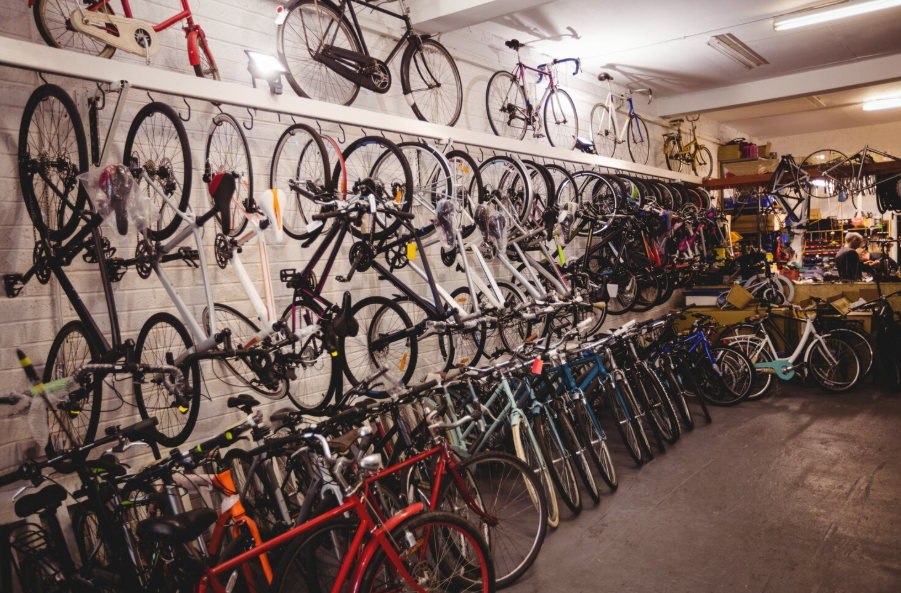
Racks mounted on the wall are ideal for apartments, garages, and small spaces. It allows you to store your bike standing on the wall, either vertically or horizontally.
Advantages:
- Saves floor space.
- Keeps your bike off the ground (prevents tire marks).
- Doubles as decorative storage.
Best for: Urban homes, studios, and garages.
Examples:
- 180° rotating wall racks — let you swivel the bike flat against the wall.
- Beech wooden hook racks — blend naturally with furniture.
- Horizontal wall mounts — ideal for displaying your bike like artwork.
Floor and Freestanding Bike Racks
Free-standing racks are robust, and they do not need any installation. They are on the floor and are standing holding a bike or a few bikes erectly.
Advantages:
- No need to drill walls.
- Portable and easy to move.
- Great for families with multiple bikes.
Best for: Garages, basements, retail stores, and commercial spaces.
Examples:
- Anti-fall parking racks for 3 bikes.
- Canaletto freestanding racks for 4 bikes.
- Granite-made storage racks — luxury designs for home or showroom use.
Ceiling-Mounted Bicycle Racks
These racks use pulleys or lifts to hang bikes from the ceiling. So you can utilize the unused space.
Advantages:
- Perfect for garages or workshops.
- Keeps bikes completely out of the way.
- Some models come with power assist lift systems for easy use.
Best for: Small garages, workshops, or people with multiple bikes.
Examples:
- Bicycle ceiling hangers
- Bicycle upright lifts
Vehicle Bicycle Racks
Vehicle-mounted racks enable you to transport bikes safely during the period of traveling or while exploring new routes.
There are several types:
- Hitch Racks
Hooked onto the back of a car or SUV.
Advantages: It is simple to load and may contain a number of bikes.
Price: Allen Sports 5-Bike Hitch Rack.
- Roof Racks
Roof racks are mounted on top of the vehicle.
Advantages: Makes the rear of the car open.
Cons: Tallness- does not suit the low garages.
- Trunk Racks
Straps can be used to fit on the back of cars that do not have a hitch.
Advantages: Cheap and portable.
Cons: Can restrict access to the trunk.
Best: Cycling teams, families on vacation, travelers.
Indoor Furniture-Style Bike Racks
These racks blend modern design furniture and functionality. An ideal choice of people who wish to show their bikes in style.
Advantages:
Advantages:
- Decorative and practical.
- Made from premium materials like wood or granite.
- It can double as a TV cabinet, shelf, or table.
Best for: Living rooms, offices, cafes, or showrooms.
Examples:
- Bike Storage TV Cabinet
- Bike Slanted Furniture Stand
- Bicycle Storage Furniture Hanger
Business and Community Bike Racks
These racks can be used in parks, offices, campuses, or retail areas. They are typically durable by being produced with steel or aluminum.
Advantages:
- Can accommodate multiple bikes.
- Weather-resistant and theft-protected.
- Helps promote green commuting.
Best for: Developers, city planners, and property managers.
Examples:
- Outdoor public racks for 5–7 bikes.
- Anti-fall parking stands.
How to Choose The Best Bicycle Rack?

When selecting a bicycle rack, consider the following:
1. Purpose
Do you store, display, or transport your bike?
- The rack would best be wall-mounted or a piece of furniture in case of home storage.
- In the case of traveling, choose a strong vehicle rack.
- When it comes to the general or commercial area, outdoor racks with a lot of strength should be selected.
2. Space
Measure your available area.
Small apartment? Go vertical.
Large garage? Multi-bike racks are best when they stand alone.
3. Number of Bikes
When you have more than one bike, a multi-bike rack or power lift will help you save space and time.
4. Material
Wood: Beautiful, environmentally friendly, and interior design.
Metal: Strong, sturdy, can be used outside
Granite or hybrid: Luxury appearance, very firm.
5. Installation
Select drill-based mounts or free-standing models based on preference for a permanent installation or flexibility.
How to Maintain Bike Racks?
Using a bike rack properly keeps your bicycle safe and prevents damage. Here are a few important rules:
1. Always Check Stability
Make sure that the rack is mounted on a stable surface and that it is well attached before putting your bike in it.
2. Secure Your Bike
Lock it up with a good lock (U-lock or cable lock). Lock the frame and at least one wheel.
3. Avoid Overloading
If the rack is rated for two bikes, don’t squeeze in three. This can cause scratches and stress the frame.
4. Clean Contact Points
Clean hooks and places where the bike is placed, wipe clean- dust and grit scratches your frame.
5. Lift Carefully
If you’re using a wall or ceiling mount, lift your bike gently to avoid back strain.
6. Inspect Hardware Regularly
Bolts and screws would become loose over time. Tighten them once a month, particularly when there is more than one bike in the rack.
How to Prepare for Long Trips with a Bike Rack?
Want to take your bicycle for a trip? The guidelines to consider when riding a bike rack on a long-distance trip are as follows:
1. Choose the Right Rack for Your Vehicle
- It’s best to use a hitch-mounted rack for SUVs or trucks.
- Use a roof rack for sedans.
- Don’t forget to check your car’s manual for weight limits and mounting points.
2. Check the Rack Before Every Trip
Inspect straps, bolts, and locking systems before going for a trip. A loose rack can damage both your bike and your car.
3. Protect Your Bike
You can use padding or foam to prevent metal-to-metal contact. Cover your bike if driving through dusty or rainy weather.
4. Plan for Refueling or Parking
If your bike is on the roof, remember your total height when entering garages or tunnels.
5. Carry Tools and Spares
Bring along:
- Tire pump and patch kit.
- Multi-tool for quick adjustments.
- Chain lube and microfiber cloth.
6. Balance the Load
Distribute weight evenly on the rack to avoid sway and vibration.
How to Maintain Your Bicycle Rack?
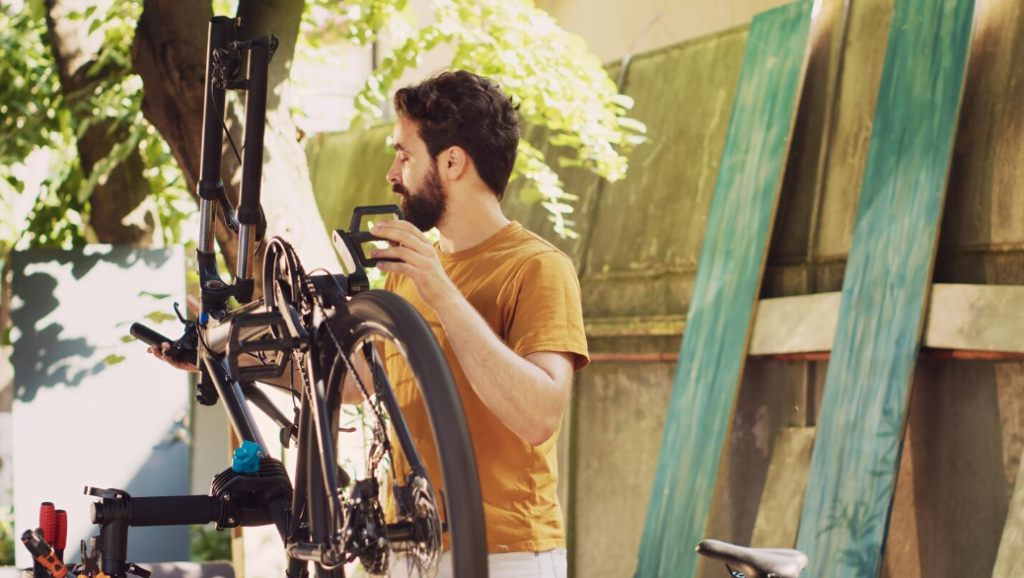
Maintaining your bike rack properly will not only prolong the life of your bike rack but also keep your bike safe and undamaged. It doesn’t matter how frequently you use it; a well-maintained rack works better and stays longer.
Clean Your Bicycle Racks
To take care of the rack, wash it on a regular basis. Over time, dust, dirt, and grease may accumulate on racks, particularly when storing your bike outside or in a garage. Wipe your rack with a clean soft cloth using mild soap and water. Use of harsh chemicals that may hurt the finish or corrode metal parts should be avoided. Cleaning your rack is a way of avoiding rust and also makes sure that it still looks good after years.
Maintain Your Rack
Bolts, clamps, and frame holders may develop rust due to moisture and humidity. To prevent deterioration, put on a light anti-rust spray or protection.
Hooks, straps, and mounting points should also be checked on a regular basis. These are the components that attach your bike; therefore, any minor wear or stretching of these components can pose a problem in terms of stability. Any frayed straps or rubber covers that are worn out should be replaced immediately. Failure to do this may result in scratches or even dropped bikes.
Common Mistakes to Avoid
Even the most advanced bicycle riders commit some errors when using bicycle racks. Knowing what to avoid can save you a lot of expensive damage or safety problems. Here are a few things you need to know:
Use The Right Rack
Don’t use incorrect racks on your vehicle or SUVs. Select the rack that fits your bike in terms of size, weight, and use. Vehicle-mounted racks are of different types, and the incorrect choice of one can lead to instability or scratches.
Install the Rack Properly Before Using
Many people get it wrong by not following the installation instructions properly. Each rack must have certain mounting specifications. The consequence of overlooking the tightening of bolts, or installing the rack improperly, may cause the wobbling or even road accidents. Before installation, take a couple of minutes to read the manual or follow a tutorial.
Advantages of having a good Bicycle Rack
Investing in a good bicycle rack is not all about convenience, but it is about investing in the security of your bike and your own security.
Help to Store Your Bike and Keep it Safe
With an excellent rack, your investment is covered. It does not allow your bike to fall, scratch, or tip over. Regardless of having a regular road bike or an expensive electric one, having a secure rack keeps it in excellent condition.
Organize Your Space
A good rack also conserves space as it helps to arrange your space.
Wall-mounted or ceiling racks that are placed in homes take up space that otherwise would have been occupied by the floor. Multi-bike racks are used in garages and commercial areas to organize everything in a tidy and available manner. The systematized lab facilitates finding and remembering your equipment.
Increase Curb Appeal
In addition to functionality, designer racks are aesthetically valued. Contemporary racks – particularly wooden or furniture-type – are very handsome with your decor. They will be making your bike the storage item into an exhibit, which can be displayed in a minimalist or modern interior design.
The more convenient and ready you are to ride your bike, the more likely you are to use it. Easy, systematic storage promotes increased cycling -and that is good for your health and way of life.
Finally, a bicycle rack provides a solution for a green life. When the bikes are well stored and reachable, individuals will use the bikes more frequently than driving. This minor practice helps to have greener cities, less traffic, and a more sustainable future. It is not a simple rack that contains a bike but promotes a better lifestyle.
Get the Best Quality Bicycle Racks #1 Shop
Storage for Sports offers a variety of bicycle racks. We are a dedicated shop that offers top-quality and affordable bicycle racks. Our racks have a blend of craftsmanship, durability, and classiness, suitable for common riders and even professionals.
Here’s what sets us apart:
- Over 50 years in the storage industry.
- FSC-certified wood and sustainable materials.
- Custom-built options for brands and individuals.
- Over 20,000 satisfied customers worldwide.
- Featured in major cycling communities and design platforms.
Final Thoughts
A bicycle rack is not just a storage device; it is an add-on to your cycling life. The right rack keeps your bike safe, houses your bike correctly, and orders your space.
It could be a smooth wall-mounted model, an outdoor stand that is powerful, or a vehicle rack that will accompany you in the next adventure; there is a perfect one for every cyclist. Order your preferred rack from Storage for Bicycles.







Add comment